
Context
Despite significant government investment in recreation, many young Canadians still face barriers to participation. In Ottawa, youth aged 18–25 in five priority neighbourhoods—Britannia, Carlington, Lower Town, Overbrook, and Sandy Hill—are especially underrepresented in city-run programs. These areas are home to many newcomers and post-secondary students, groups often facing challenges like cost, time constraints, and lack of tailored programming. This research explores the factors that discourage youth participation, how the city communicates its offerings, and what young people value in recreational experiences.
Problem Space
The City of Ottawa faces declining youth participation (ages 18-25) in recreational programs across priority neighborhoods, despite evidence that recreation supports youth development, mental health, and community bonds. This raises the critical question: What factors facilitate an interactive and social experience amongst urban youth? The current situation reveals a fundamental disconnect between municipal recreation offerings and the actual needs, preferences, and experiences of urban youth, necessitating a reimagined approach to both program design and outreach strategies through more inclusive, youth-centered methods.
Objective
- Explore if the current communication channels resonate with post-secondary youth.
- Understand what youth are looking for when it comes to organized recreation/leisure activities.
- Explore the values youth desire from recreational activities to help positively impact their lives.
- Understand the extent to which financial barriers influence youth participation in recreational activities.
- Understand how leisure activities fall into youths' lifestyles.
Methodology
Data collection :
A mixed-methods approach was used to collect both qualitative and quantitative data from youth aged 18 to 25 residing in urban Ottawa. The study was divided into three phases to obtain the data:
Phase 1 involved a screener survey.
Phase 2 consisted of semi-structured interviews with participants and Subject Matter Experts (SME).
Phase 3 focused on design validation interviews.
Data analysis :
Descriptive statistical methods were used to identify key trends and patterns from quantitative data. Qualitative data were thematically coded and visually organized on Miro to analyze and identify themes and insights.
Findings
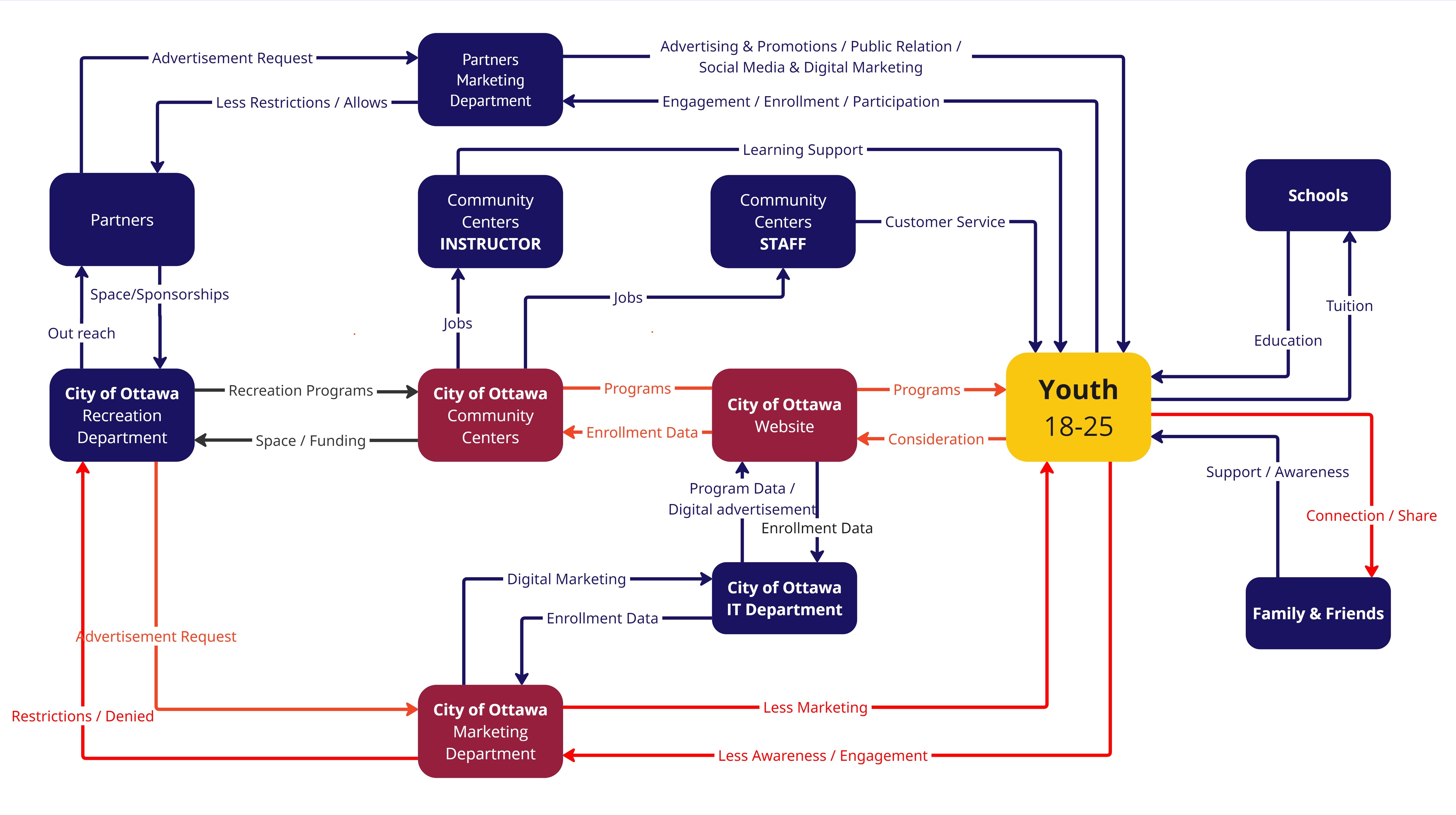
Based on our comprehensive literature review, we created a system map that revealed the main pain points in communication between youth and recreational services.
Survey Findings
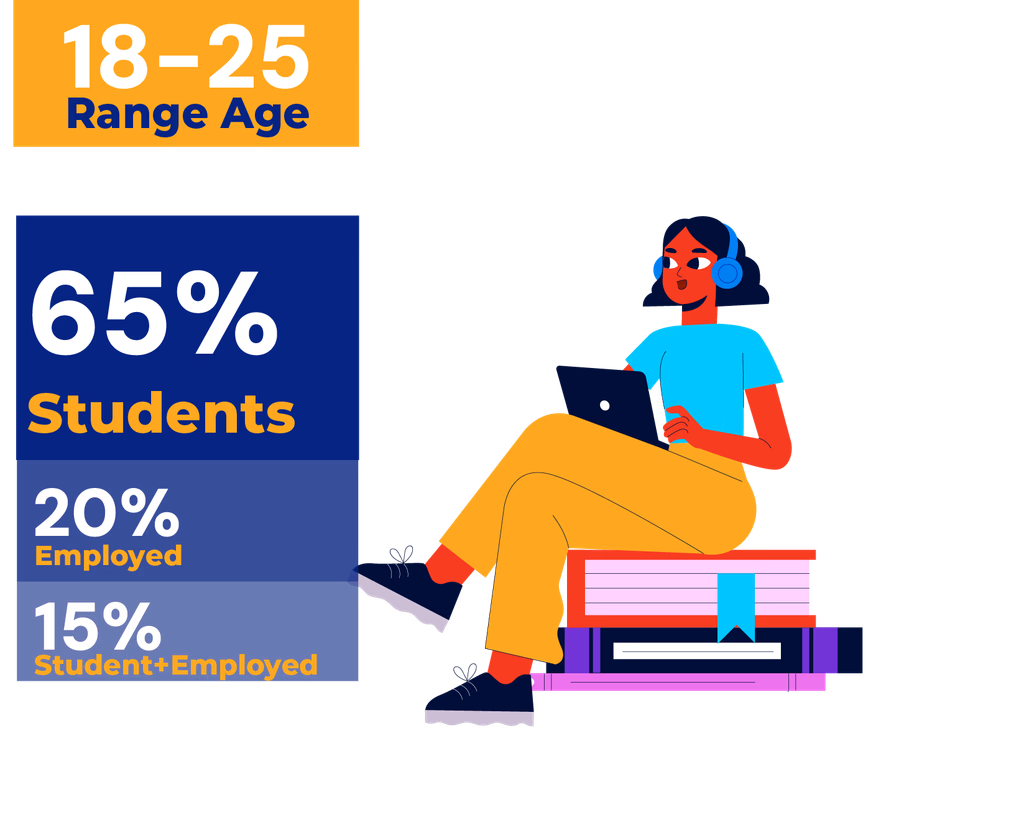
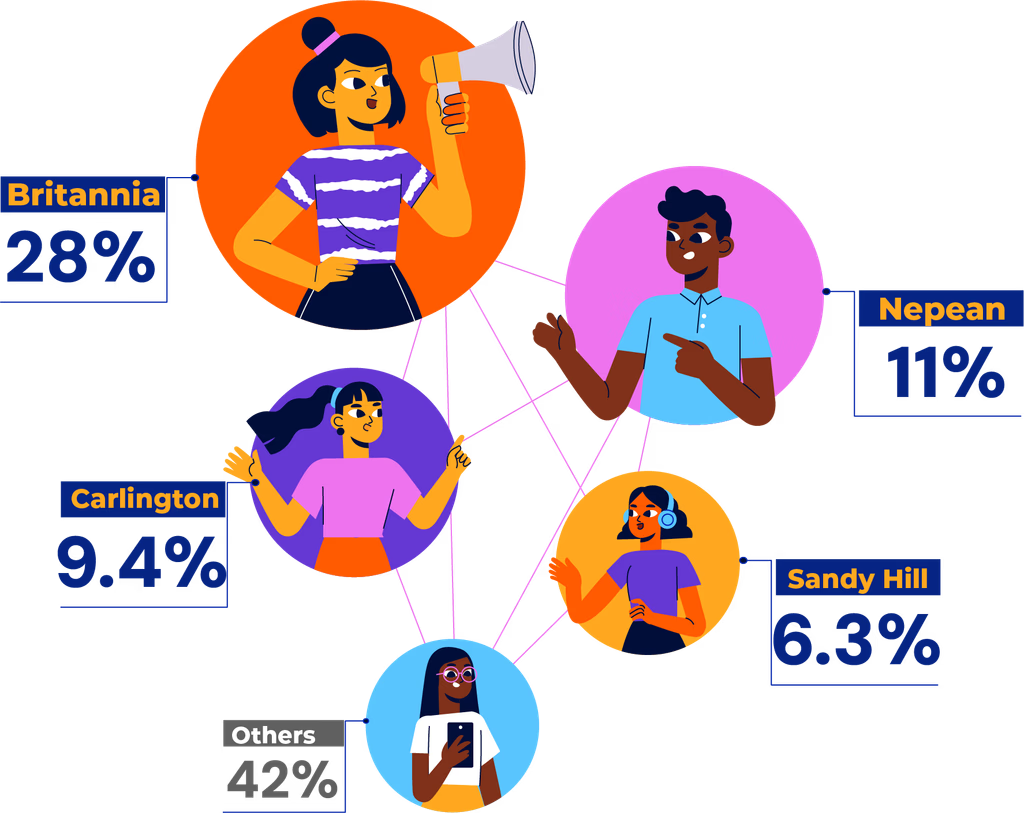
Our survey gathered 72 responses from the target demographic of youth aged 18-25, with 80% of respondents identifying as students or employed students. Notably, the majority of participants resided in the priority-focused neighborhoods, providing valuable insight into the recreational needs and preferences of our target audience in these specific communities.
In their leisure time, our survey respondents demonstrated diverse recreational preferences. Team sports emerged as the most popular choice with 35% of youth indicating this as their preferred activity. Fitness and conditioning activities followed at 26%, while individual solo activities and creative arts tied at 14% each. Aquatic sports rounded out the preferences at 11%. This distribution highlights the importance of offering varied recreational options that cater to different interests within the youth demographic.

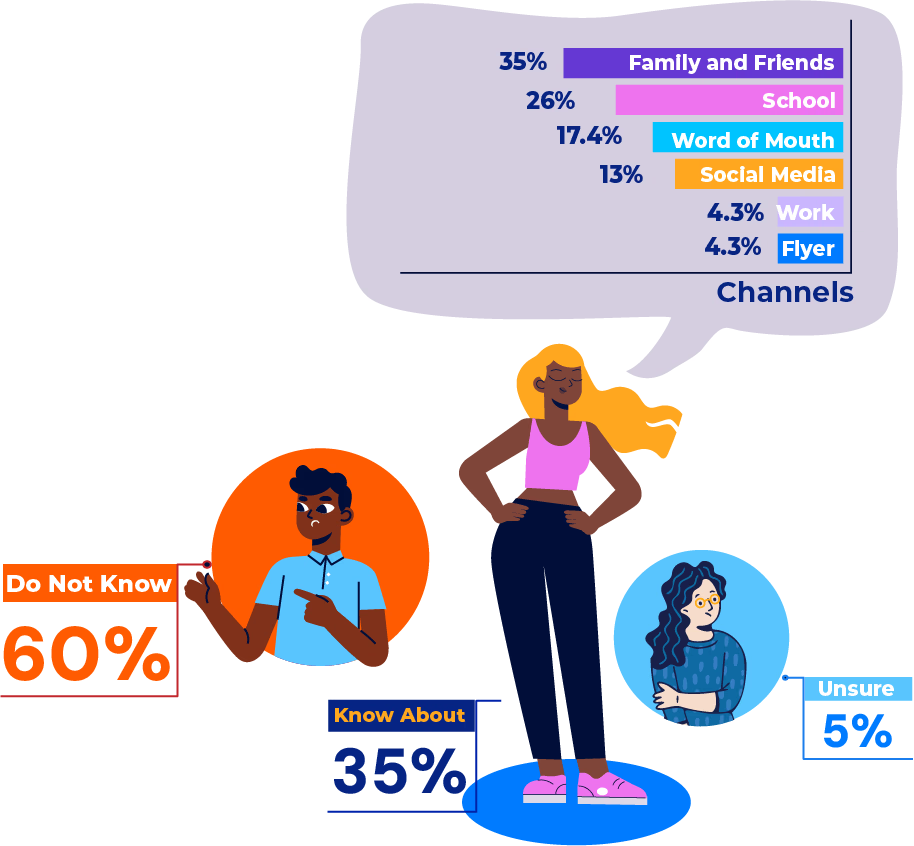
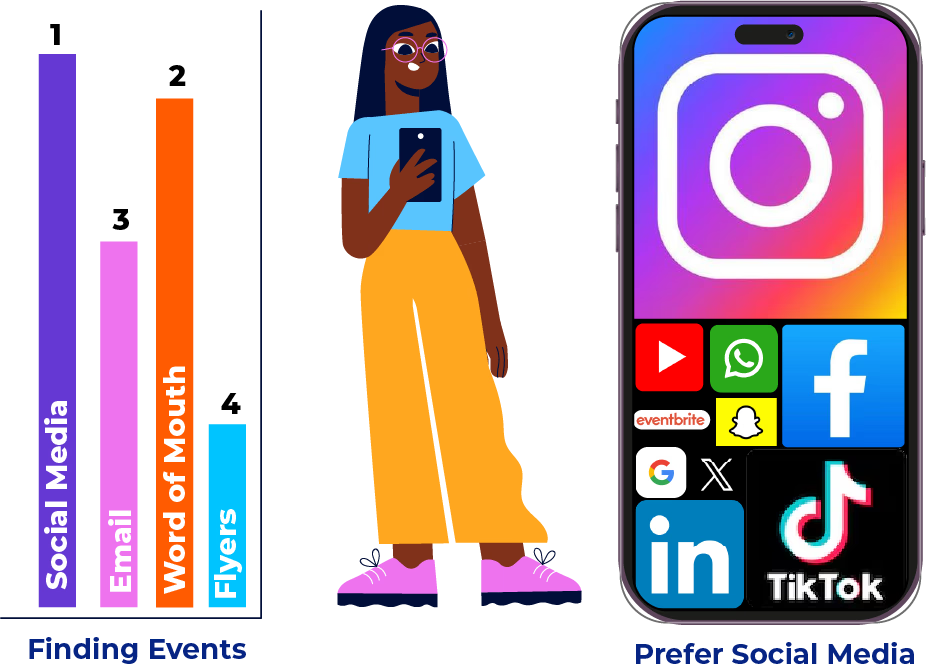
Our survey revealed a significant communication gap between the City of Ottawa and its youth population. A striking 60% of respondents were completely unaware of recreation programs offered by the city. Among the minority who did know about these programs (35%), most discovered them through informal channels such as friends and family, schools, or word of mouth rather than through official city outreach. When asked about their preferred communication platforms, respondents overwhelmingly chose social media as the optimal outreach method, with Instagram specifically identified as the most effective channel to reach this demographic. These findings highlight a critical disconnect in how program information is currently being disseminated to youth aged 18-25.
Main Findings
Through our research, which included 72 surveys and 10 participant interviews, along with 8 SME additional interviews, we identified key pain points experienced by our users. This helped us gain a better understanding of how recreation fits into their lives. By using the persona outlined below, we gained valuable insights into their needs and were able to empathize more deeply with their experiences.
Goals
- Achieve a Healthy Balance Between Studies and Leisure
- Improve Visibility and Engagement in City of Ottawa Recreation Programs
- Expand Awareness and Accessibility of Winter Recreation Activities
- Strengthen Career Development Through Recreation
Hobbies & Interests
- Outdoor Activities: Hiking, Camping, Ice Skating, Playing Volleyball at Britannia Beach
- Fitness & Mental Engagement: Gym Workouts, Chess Club
- Wellness & Sports: Yoga, Zumba, Badminton
- Social Activities: Shopping with friends, Neighborhood Walks
- Digital Entertainment: Playing Video Games, Watching YouTube Videos
Looking For leisure activities
- Cheaper Programs and Activities
- Flexible Programs
- Looking for Easy to Access Space for Leisure Activities
- Looking for Engaging Activities that are Exciting and Feel Worthwhile
Pain Points
- Busy with School, Work, or Both
- Limited Awareness of the City of Ottawa’s Recreation Programs
- Looking for a “Third Place” Beyond Home and Work/School
- Seeking Convenience
- Having no or Little Money for Recreation Activities
Opportunities
- Expand Marketing & Outreach
- Enhance Accessibility & Affordability
- Develop Flexible & Convenient Programs
- Create More Community-Centered Spaces
- Collaboration with College and University
Our findings revealed three major gaps between the city and its youth:
- Social Spaces: Many recreational spaces are not easily accessible or budget-friendly, making participation difficult.
- Flexibility: Youth often have unpredictable schedules due to school and work. Programs that lack flexibility create barriers to participation.
- Awareness: There is limited awareness of available programs. Youth mainly rely on social media and word-of-mouth, yet current outreach strategies don’t effectively use these channels.
To dive deeper, we created a Journey Map that outlines how users discover, register for, and engage in recreational programs.
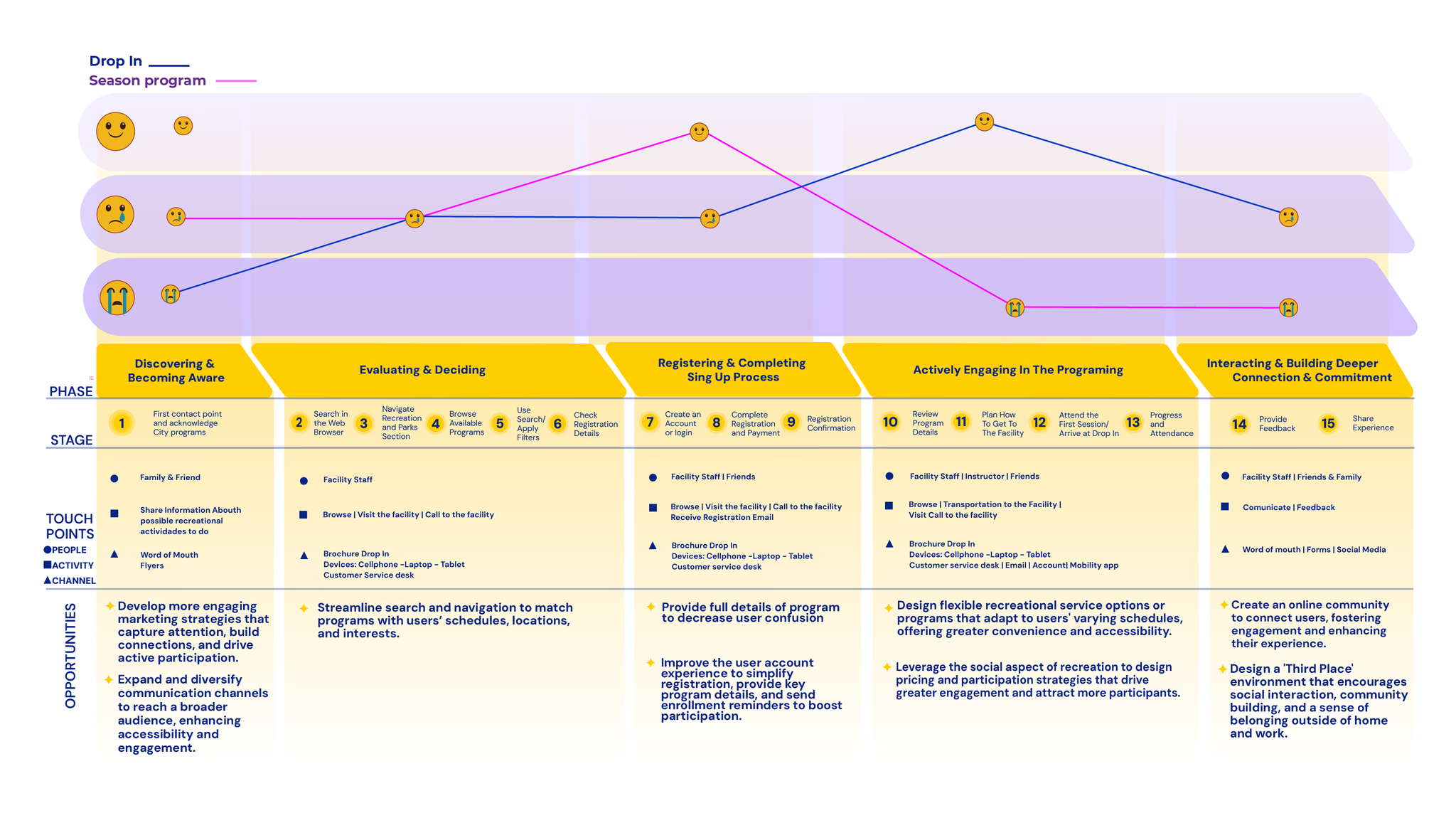
This map helped identify areas for improvement, leading to several key design opportunities:
- Create compelling marketing that resonates emotionally and encourages long-term engagement.
- Broaden communication channels using social media, community networks, and multilingual resources.
- Offer flexible, modular programming that accommodates varying schedules.
- Develop a digital community hub where youth can connect and share recreational experiences.
- Reimagine recreational spaces as “Third Places”—welcoming environments that foster belonging and informal social interaction.
Based on the persona and journey map, we established the following design principles:
- Youth seek spaces beyond home and school/work.
- Programs should be easy to discover and clearly described.
- Offerings must fit into busy, variable schedules.
- Promotion should be engaging and targeted to youth.
Recommendations
Our proposed solution is a scalable, three-phase approach designed for long-term impact. It empowers community centers to better engage youth through co-creation, active participation, and the cultivation of a strong sense of belonging. Each phase builds on the previous to ensure sustainable growth and deeper connections between youth and the city’s recreational spaces—both physical and digital. The journey begins by raising awareness and boosting initial participation and culminates in the creation of a hybrid community hub that serves as a true Third Place: a welcoming environment beyond school and work where young people can connect, engage, and thrive.
The three phases of the solution are described below:
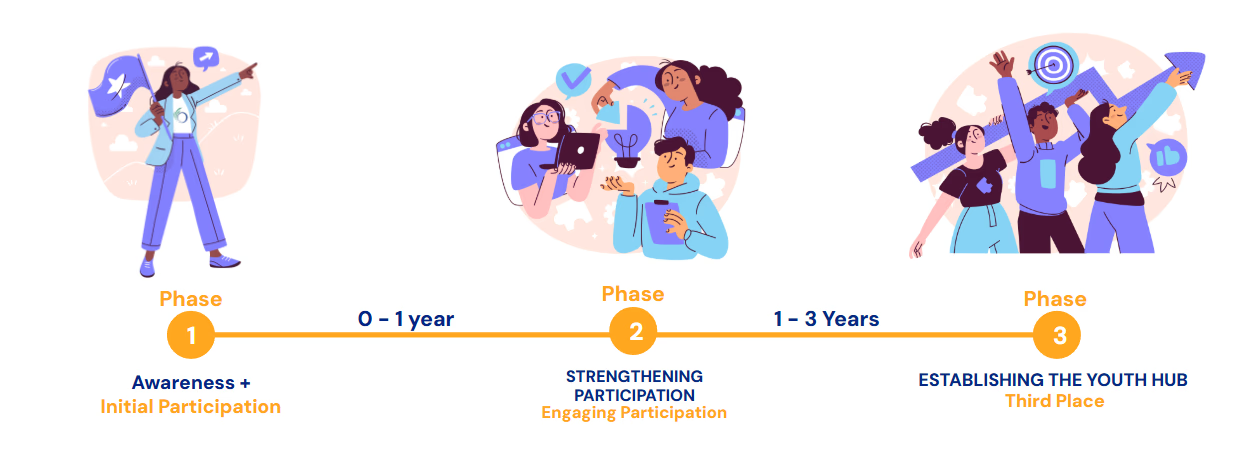
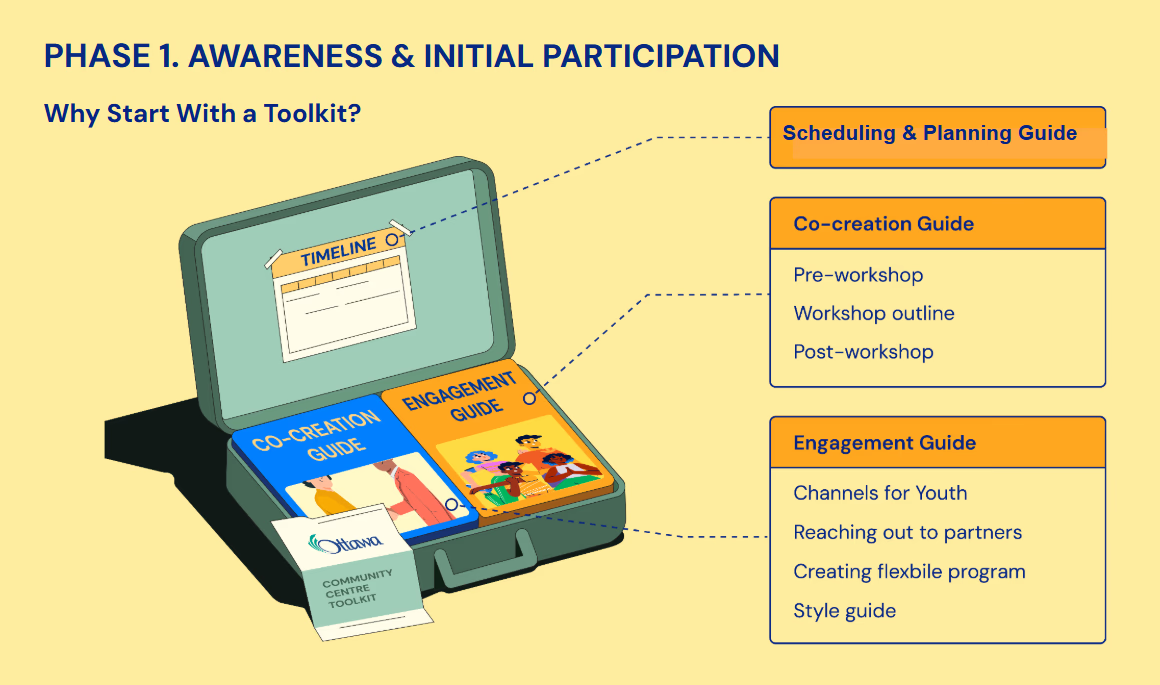
The first phase begins with the implementation of a practical and adaptable Youth Engagement Toolkit, designed to equip community centers with the tools they need to meaningfully connect with youth and co-create relevant recreational offerings. This phase allows each community center to adapt the toolkit to its specific context, creating a structure that encourages active youth participation in shaping the seasonal recreational offerings tailored to their needs and preferences. The toolkit includes three core components:
- Scheduling & Planning Guide: A customizable planning calendar that helps each facility align staff efforts and organize seasonal programming activities efficiently and strategically.
- Co-Creation Guide: A step-by-step guide for designing and facilitating co-creation workshops with youth, focusing on inclusive practices, meaningful participation, and collaborative decision-making.
- Engagement Guide: This section outlines how to design compelling campaigns, select the right communication channels, and build partnerships to effectively promote the new youth-driven programs.
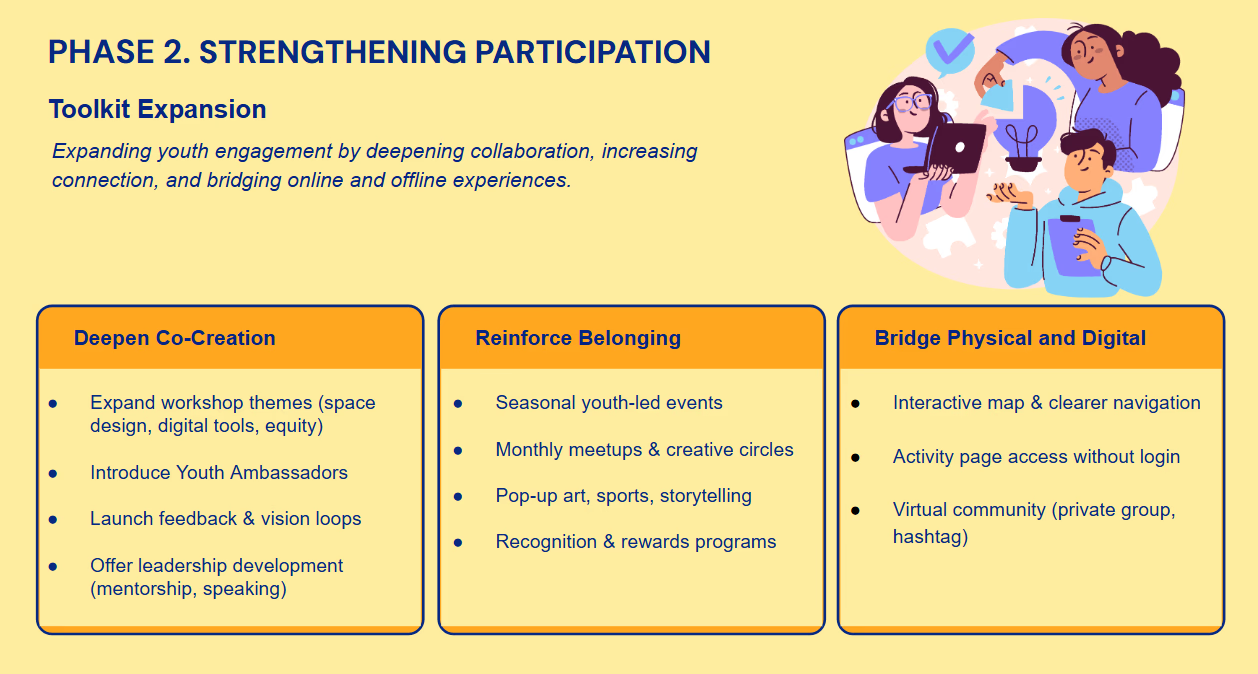
As co-creation initiatives gain momentum, the youth engagement group grows stronger—inviting more young people to get involved. In this phase, the scope of collaboration expands beyond programming. Youth begin to contribute ideas for improvements to infrastructure, equipment, virtual platforms, and communication strategies within their community centers. The result is a deeper sense of ownership and social connection, where youth not only participate in programs but also influence the direction of their development. This inclusive and responsive approach encourages older youth (18–25) to serve as role models and catalysts for engaging younger audiences, fostering an intergenerational culture of participation and empowerment. Additionally, this phase emphasizes upgrading the digital platform, ensuring that program information is accessible, relevant, and aligned with how youth prefer to discover and engage with recreational opportunities.
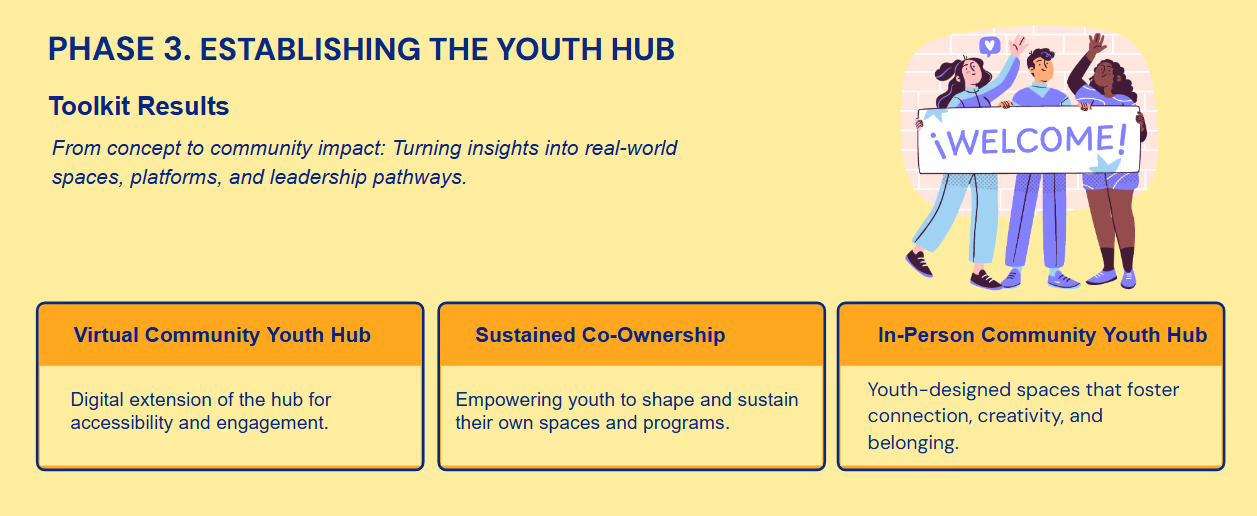
The final phase establishes a true “Third Place” for youth in Ottawa—a space that exists beyond home and
school/work, where young people feel welcomed, seen, and connected. Each community center becomes a
recognizable spot in the city where youth feel a strong sense of belonging, supported by a physical
environment shaped by their input. This experience is enhanced by a dedicated digital space on the city’s
recreation platform, where youth can create groups, share stories, organize activities, and showcase their
community impact. It becomes more than a place to sign up for programs—it’s a living hub of connection,
creativity, and community that supports ongoing engagement and visibility for youth voices.
following link provides a detailed description of the toolkit guide and its potential for
scalability.
Toolkit
Limitations
The main constraint within this research was the researchers' inability to conduct interviews with participants who took part in the City of Ottawa recreational programs. Advisors who have experience with the City of Ottawa recreational programs could supply beneficial guidance about program-specific obstacles and thus expand research depth. The brief collection period and narrow scope of the study limited researchers from conducting extensive analysis. Future researchers should study how web interface design and workflow functionality affect user engagement and experience. Research into "third places" as informal public spaces away from home and work could help understand how to build community ties and improve urban social health. Future research should concentrate on studying these regions because they provide substantial opportunities for study and progress.
Learning
Throughout this study, I developed and refined several critical professional skills that have enhanced my design practice. I strengthened my storytelling abilities—both visual and verbal—learning to effectively communicate complex user needs and system relationships to diverse stakeholders. Working with system design methodologies allowed me to visualize interconnected elements within the recreational ecosystem and identify key intervention points. Additionally, I gained valuable experience creating toolkit frameworks that empower community center staff with practical resources they can implement immediately. This project reinforced the importance of translating research insights into actionable tools that facilitate real-world change while balancing theoretical approaches with practical implementation considerations.